
How Biltong Compares to Other High-Protein Snacks in Australia
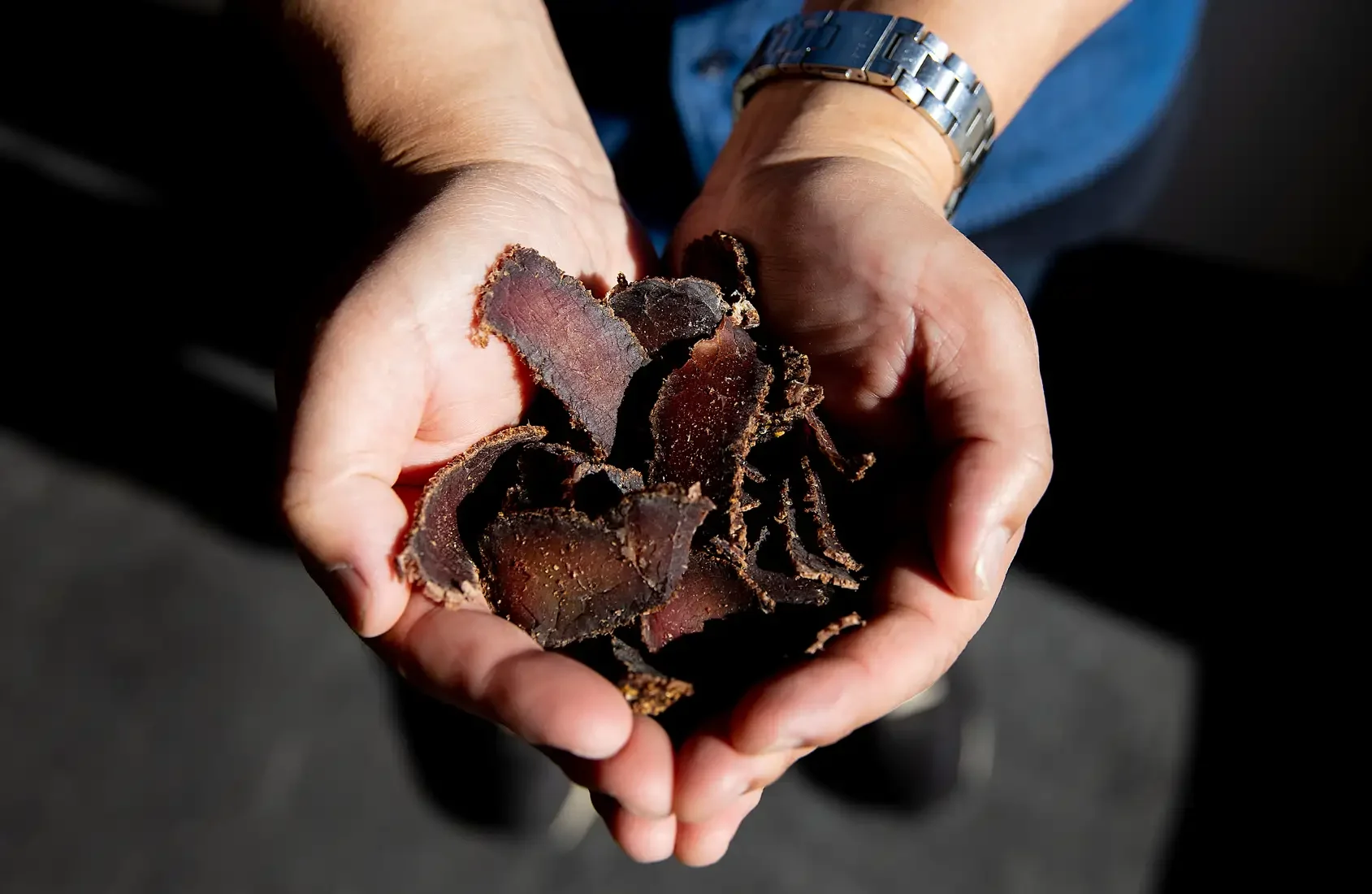
Reaching our daily protein goals can be easy to achieve, if we know what to look out for. With so many options available in the snack category, it’s fair to say that not all protein foods are created equal. From yoghurts, protein bars to premium quality steaks, there are multiple foods available that are excellent protein choices. If you haven’t yet considered biltong as part of a healthy diet, you may be missing out on some serious taste and dietary benefits. Let’s take a look at how our Traditional Biltong snack compares to other high protein snacks available in Australia right now.
Protein Snacks That Are Worth Looking at When Following a Clean & Healthy Diet Plan
Protea Foods Traditional Biltong
Biltong is a South African-style dried and cured beef snack that has made a big impact in the Australian market. Unlike jerky, biltong is air-dried rather than heat-treated - which helps preserve its natural texture and nutritional features. When it comes to Protea Foods, our traditional biltong snack is a clean, no-fuss product that ticks all the right boxes. With minimal carbs, delicious taste and easy to eat ‘on the go’, you can be guaranteed that biltong will deliver a seriously impressive protein hit – at any time of the day.
Typical High-Protein Yoghurt
Let’s take a look at Supermarket Natural Plain Yoghurt. We can all agree this to be a convenient, refrigerated and affordable protein source that is widely consumed by thousands of Aussies. With live culture probiotics, calcium rich dairy and approximately 10 grams of dense protein per 100 grams for muscle repair and regeneration, it’s a great choice for breakfast or as a mid-afternoon snack. But when compared to traditional biltong, it falls short in this department. So, although it’s still a good protein option, biltong contains more protein per 10gm portion.
Standard Protein Bar
The Protein Bar is a popular choice in Australia and, certainly plays a big role in the protein snack category today. Available in a variety of flavours, this appeals to many fitness conscious individuals looking for a sweet, affordable and macro friendly snack. If we crunch down the numbers, a standard 60gram bar delivers around 20grams of protein. Although, this sounds like a pretty good way to go to get your daily protein, you may want to consider the use of sugar alcohols, particularly if you have sensitive stomach issues, digestive and gut concerns.
Porterhouse Steak
When it comes to a whole food protein preference, a good-sized porterhouse steak is up there as one of the best. A premium cut of beef is what we consider to be a high-quality protein source – 100grams of raw porterhouse is equivalent to approximately 20 grams of protein, with a slight amount of fat included. Yes, it’s nutritious and delicious, however, it does require cooking and also has a shorter shelf life when compared to air dried biltong – which can be consumed on the go and is ideal as a quick and convenient snack.
The Numbers: Side-by-Side Comparison
All values are per 100g to allow a fair comparison.
| Nutrient | Protea Foods Biltong | High-Protein Yoghurt | Protein Bar | Porterhouse Steak (Raw) |
|---|---|---|---|---|
| Energy | 1,112 kJ (266 Cal) | 318 kJ (76 Cal) | 1,632 kJ (390 Cal) | 913 kJ (218 Cal) |
| Protein | 54.2g | 9.4g | 33g | 20.4g |
| Fat (Total) | 3.6g | 1.0g | 14g | 14.6g |
| Saturated Fat | 1.5g | 0.5g | 5.0g | 6.3g |
| Carbohydrates | 3.4g | 4.9g | 43g | 0g |
| Sugars | 3.4g | 4.0g | 1.7g | 0g |
| Sodium | 1,600mg | 55mg | 550mg | 55mg |
Let’s Analyse the Data
The figure that stands out in the table above is biltong’s 54.2g of protein per 100g – over 5 x more protein than plain natural yoghurt and a considerable amount more than the standard protein bar. The numbers simply don’t lie.
Biltong's unique air-drying process concentrates the protein while stripping out much of the fat, a process that leaves protein bars and even a premium steak well behind on the protein-to-fat ratio.
The one area where biltong does require consideration is the sodium content at 1,600mg per 100g. This is a result of the curing process and is a common theme across most dried meat snacks. For most healthy adults enjoying biltong in reasonable quantities, this isn't a concern - but it's worth noting alongside overall daily dietary targets.
Biltong Beats Other Mainstream Protein Snacks – Hands Down
High-protein yoghurt is a great everyday fridge staple, but it simply doesn't compete on protein density. Protein bars are convenient and tasty, but many rely on added fibres, sugar alcohols and a list of other ingredients to make up the filler protein content. A piece of Porterhouse steak is an excellent choice but it’s a meal, not really a snack. Biltong, on the other hand is clean, natural, requires no preparation and delivers an exceptional amount of dense protein per serving, with no added nasties.
Whether you're an athlete, a busy professional or someone trying to eat healthier, Protea Foods Traditional Biltong deserves a place in your snack rotation. Order online today.

Common Questions About Biltong vs other “High” Protein Snacks
-
Yes. Protea Foods Traditional Biltong contains 54.2g of protein per 100g, compared to approximately 33g of protein per 100g in a typical Protein Bar. This makes biltong one of the most protein-dense snack options available. Our biltong is also particularly high in iron, zinc, magnesium and vitamin B12
-
Both can form part of a healthy diet, however biltong contains significantly more protein per serving. While high-protein yoghurt offers probiotics and calcium, biltong delivers over five times more protein per 100g, making it an excellent choice for those looking to maximise protein intake.
-
Absolutely. Biltong provides a concentrated source of high-quality protein that can help support muscle recovery and maintenance. Its portability and convenience also make it a practical snack before or after training.
-
Yes. Traditional biltong is naturally low in carbohydrates, containing only 3.4g of carbs per 100g. Many protein bars contain significantly higher carbohydrate levels due to added ingredients, sweeteners and flavours.
-
Yes. Due to its low carbohydrate content and high protein concentration, biltong is often chosen by people following low-carb, ketogenic and high-protein eating plans.
-
Athletes often choose biltong because it provides a large amount of protein in a convenient snack format. It requires no preparation, travels well and can be consumed virtually anywhere.
-
Traditional biltong is typically made using simple ingredients such as beef, vinegar, salt and spices. This makes it a popular choice for consumers looking for a clean and natural protein snack.
-
When compared side-by-side with high-protein yoghurt, protein bars and porterhouse steak, biltong delivers the highest protein content per 100g. It also offers excellent convenience, minimal preparation and a simple ingredient profile.
-
Yes. Biltong is shelf-stable, portable and ready to eat, making it an ideal snack for busy professionals who need a convenient source of protein throughout the day.
-
Our very own Protea Foods Biltong is among the most protein-dense snacks available in Australia. With over 54g of protein per 100g, it outperforms many popular alternatives including yoghurt, protein bars and several whole-food snack options.